
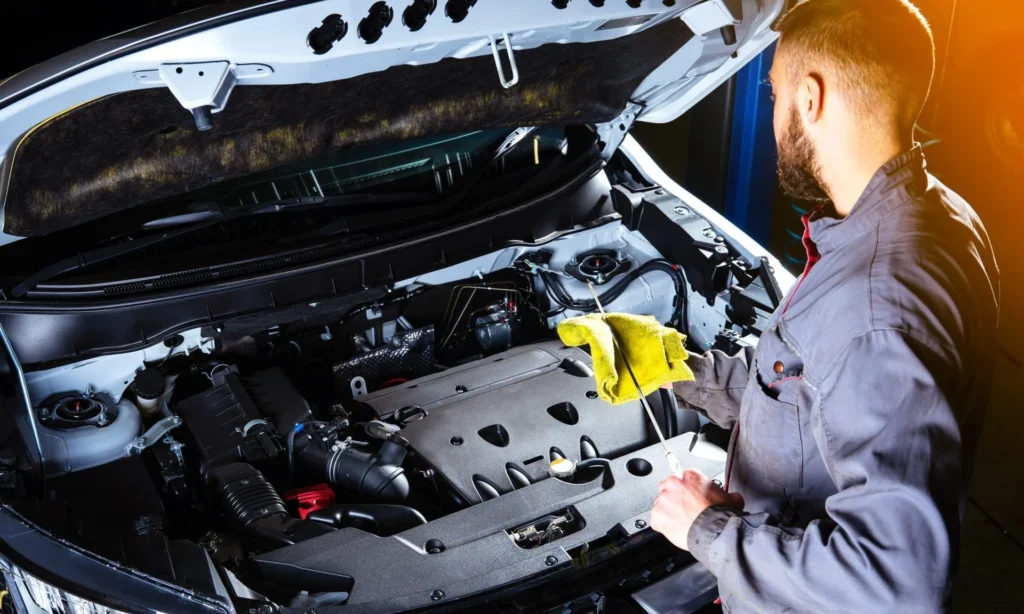
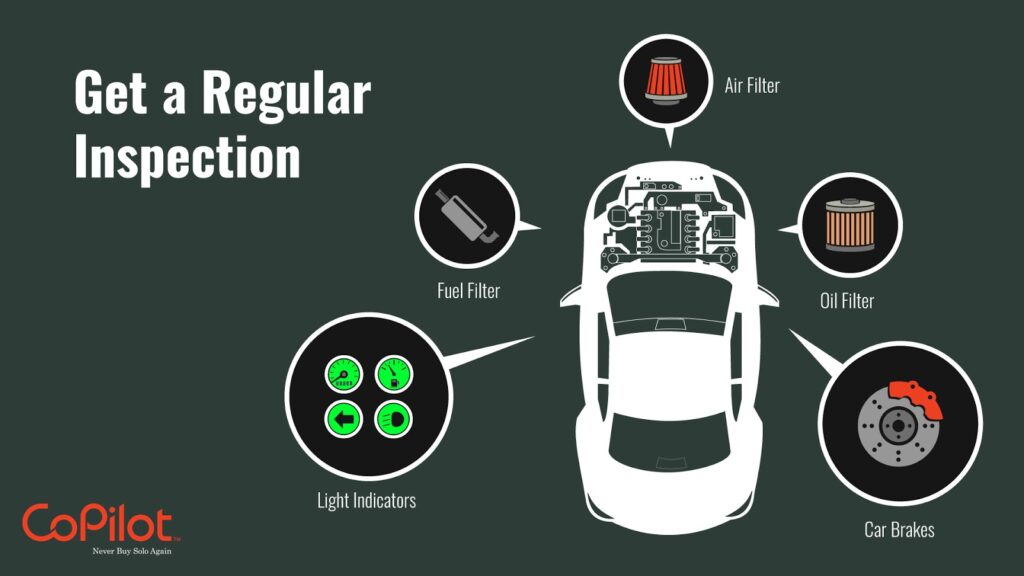
Owning a car brings a sense of freedom, but it also comes with the responsibility of regular upkeep to ensure safety, longevity, and resale value. Neglecting basic maintenance can lead to expensive repairs or, worse, a breakdown in the middle of nowhere. By following a structured maintenance routine, you can keep your vehicle running like new for years. From monitoring fluid levels to checking tire pressure, small efforts today prevent massive headaches tomorrow. This guide covers the essential car maintenance tips every owner should know to master the art of vehicle care.
The Ultimate Guide to Car Maintenance (2026 Edition)
1. The Lifeblood: Engine Oil and Filter
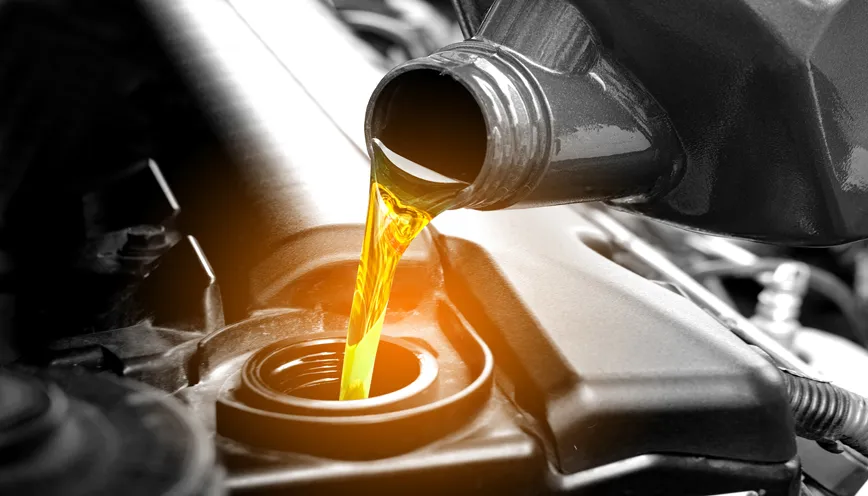
Your engine is a complex machine with many moving parts that create friction and heat. Engine oil lubricates these parts, preventing them from grinding together.
- The Tip: Check your oil level monthly using the dipstick.
- The Routine: Most modern cars in 2026 require an oil change every 7,500 to 10,000 kilometers, but always refer to your owner’s manual. Replacing the oil filter at the same time is non-negotiable to keep contaminants out of the engine.
2. Maintain Your “Contact Patch”: Tire Care
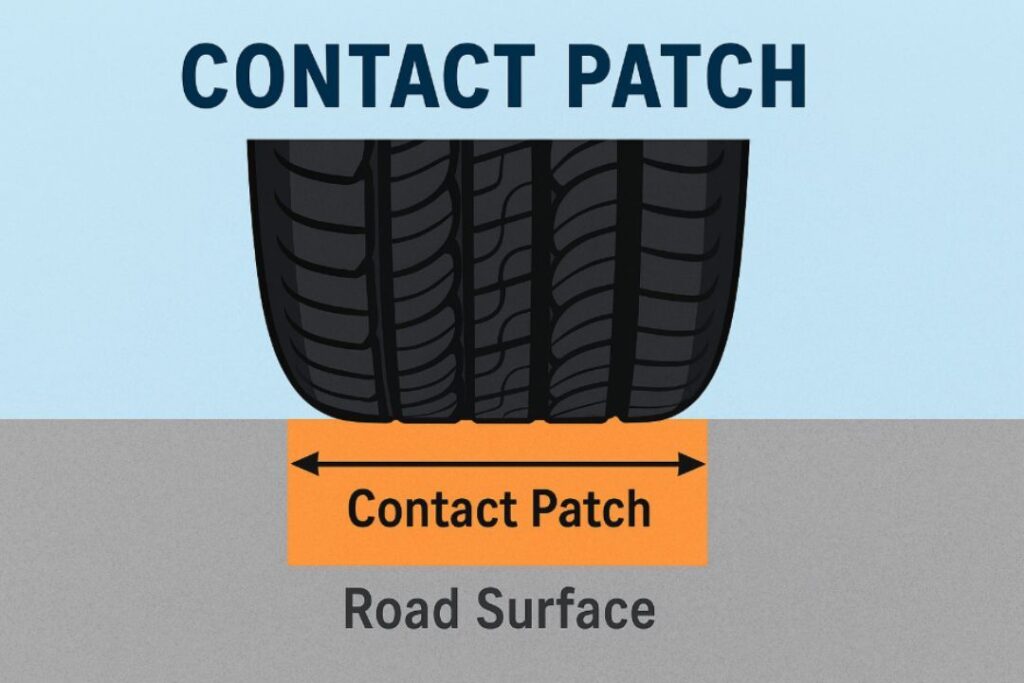
Tires are the only part of your car that touches the road. Proper inflation and tread depth are critical for braking and fuel efficiency.
- Pressure: Check your tire pressure at least once a month. Under-inflated tires increase fuel consumption and wear out faster.
- Rotation: Rotate your tires every 8,000 kilometers. This ensures even wear across all four tires, extending their lifespan significantly.
- Alignment: If your car pulls to one side, get a wheel alignment immediately to prevent uneven tread wear.
3. The Cooling System: Prevent Overheating
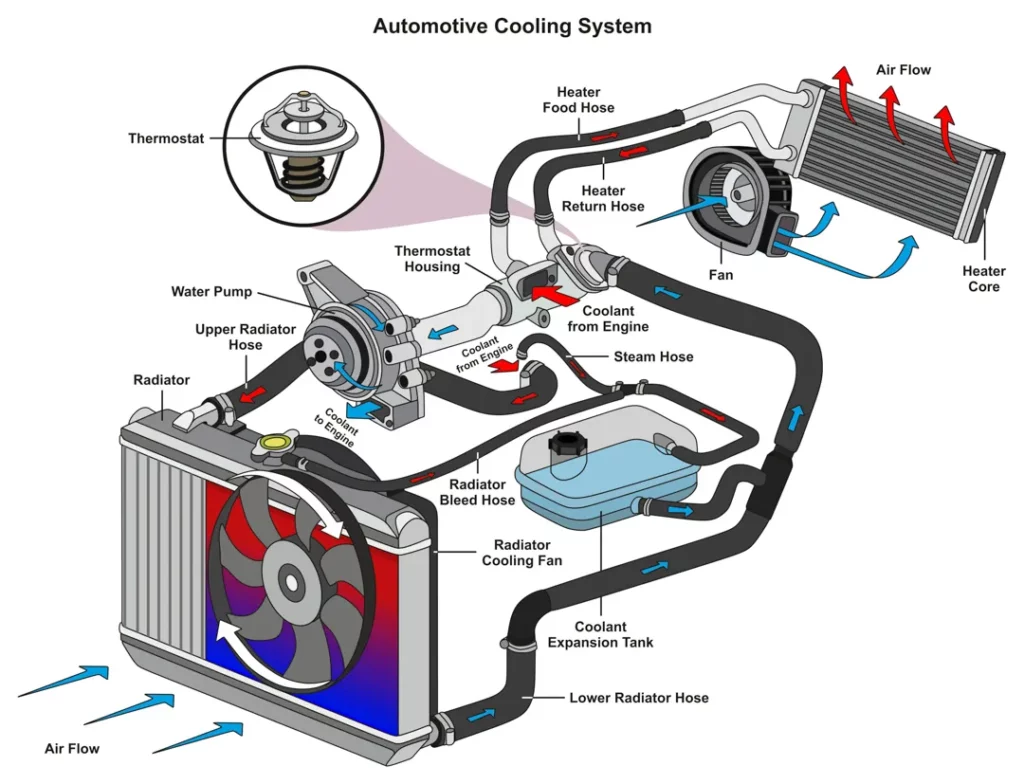
Overheating can melt engine components, leading to a total engine failure. The coolant (antifreeze) keeps the engine temperature regulated.
- The Tip: Never open the radiator cap when the engine is hot. Check the reservoir level and ensure the coolant is clean. If it looks “muddy,” it’s time for a flush.
4. Brake System: Your Safety Net
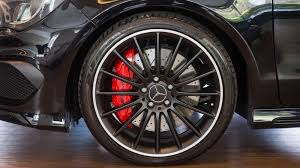
Brakes are your most important safety feature. If you hear squealing, grinding, or feel vibrations when braking, your pads are likely worn out.
- Fluid Check: Brake fluid is hygroscopic, meaning it absorbs moisture over time, which can reduce braking effectiveness. Have a professional check the fluid quality during your annual service.
5. Battery Health: Avoid the “Click-Click” Sound
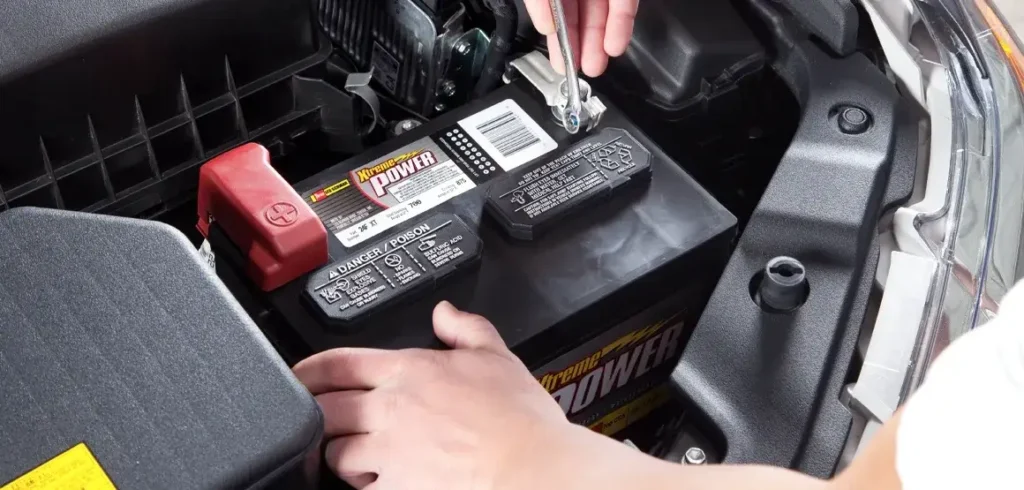
Nothing is more frustrating than a car that won’t start. In 2026, with cars having more electronics than ever, battery health is paramount.
- Maintenance: Clean any corrosion (white powdery substance) off the terminals using a wire brush and a mixture of baking soda and water. Ensure the cables are tight and secure.
6. Visibility Essentials: Lights and Wipers

Safe driving relies on seeing and being seen.
- Wipers: Replace wiper blades every 6 to 12 months, especially before the monsoon season. If they streak or squeak, they are done.
- Lights: Regularly walk around your car with the lights on to check for burnt-out headlamps, tail lights, or indicators.
7. Air Filters: Letting the Engine Breathe
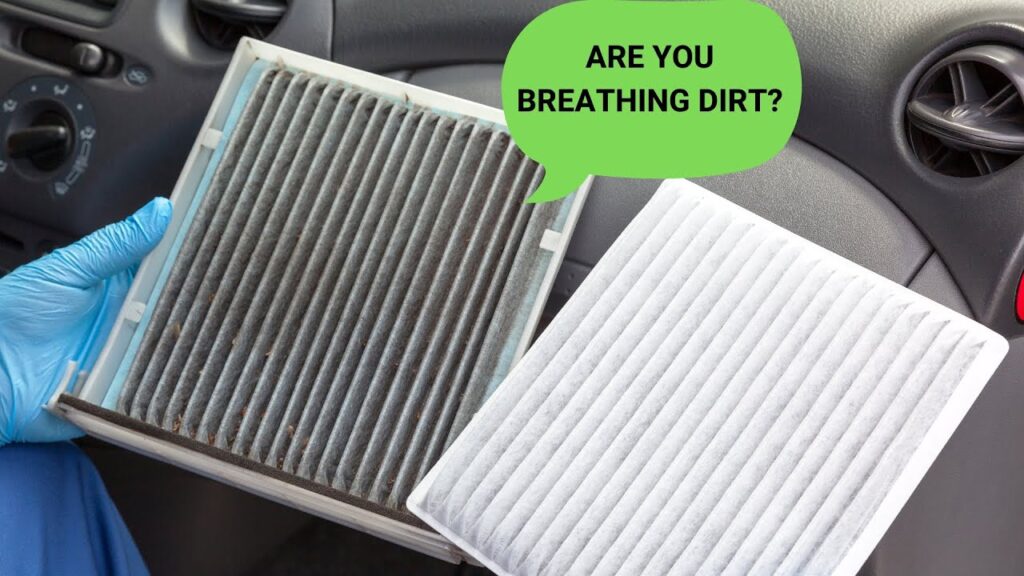
A clogged air filter reduces fuel efficiency and can cause the engine to sputter.
- The Tip: Replace your engine air filter annually. Also, don’t forget the Cabin Air Filter, which ensures the air you breathe inside the car is free of dust and pollen.
Summary Table: Maintenance Schedule
| Component | Check Frequency | Action Required |
| Engine Oil | Every 1,000 km | Top up or Change (7.5k–10k km) |
| Tire Pressure | Monthly | Inflate to recommended PSI |
| Brake Pads | Every 10,000 km | Inspect for wear/thinning |
| Air Filters | Every 15,000 km | Replace (Engine & Cabin) |
| Battery | Every 6 Months | Clean terminals & test voltage |
8. Don’t Ignore the Dashboard Lights
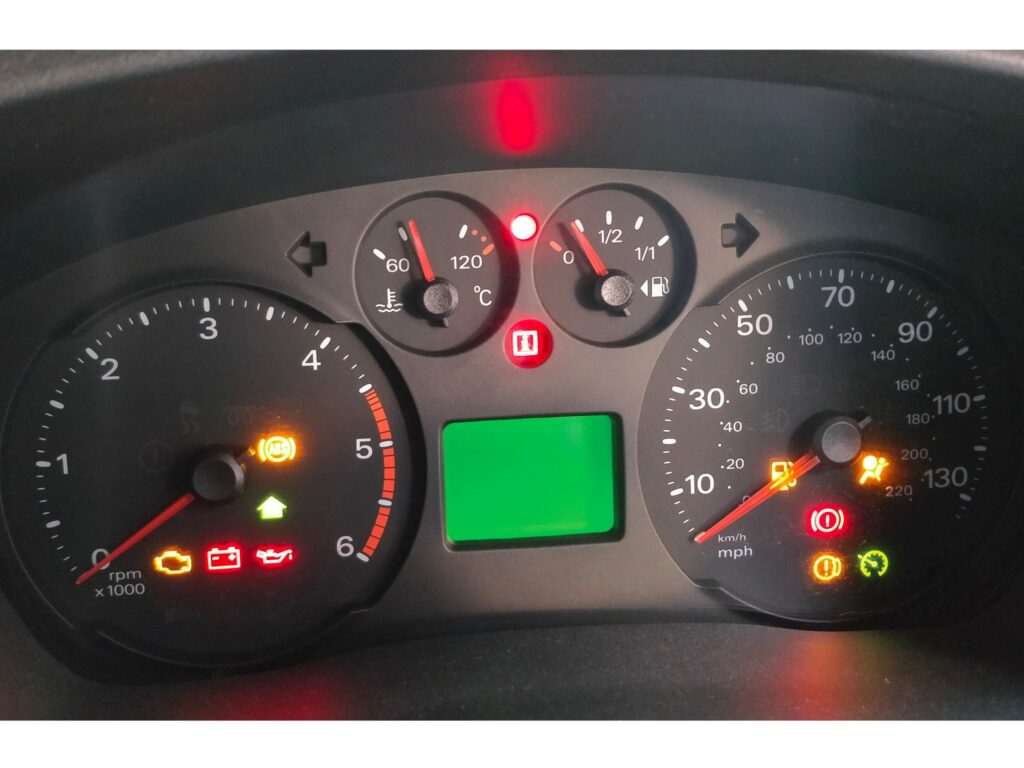
Modern cars are equipped with sophisticated sensors. If the “Check Engine” or “ABS” light comes on, your car is trying to tell you something. Use an OBD-II scanner (standard in 2026) or visit a mechanic immediately. Ignoring a small sensor issue can lead to a “limp mode” where the car loses power to protect the engine.
9. Keep it Clean: Exterior and Interior
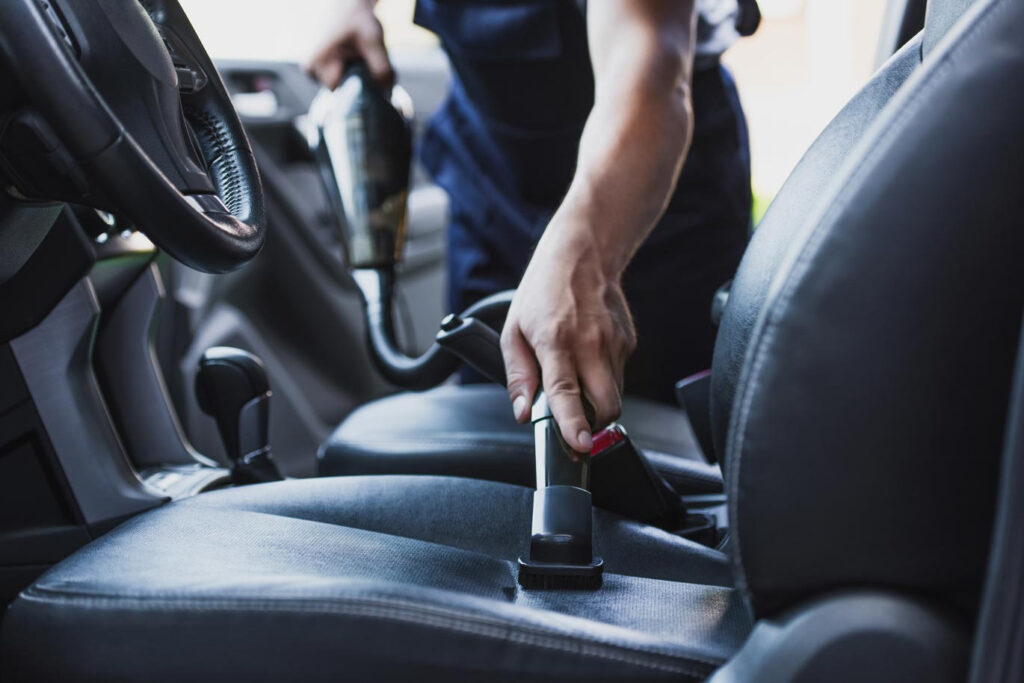
Washing your car isn’t just about vanity; it’s about protection.
- Exterior: Bird droppings, sap, and road salt can eat through the clear coat and cause rust. Waxing your car every six months provides a protective barrier.
- Interior: UV rays can crack your dashboard. Use a sunshade and interior protectant to keep the plastics supple.
10. The Owner’s Manual: Your Best Friend
Every car is different. The manufacturer has spent millions of dollars testing your specific model to determine the best care routine. Reading the manual for 15 minutes can save you thousands of rupees in the long run.
Conclusion
Consistent car maintenance is a small price to pay for the peace of mind that comes with a reliable vehicle. By following these tips, you aren’t just saving money on repairs; you are ensuring that your car remains a safe sanctuary for you and your family. Start with the basics—oil, tires, and fluids—and you’ll find that your car rewards you with a smooth, hassle-free driving experience for many miles to reach.
Mastering car maintenance is the most effective way to protect your investment and ensure your vehicle remains safe on the road. By consistently monitoring engine oil levels, maintaining proper tire pressure, and attending to dashboard warning lights immediately, you can prevent minor issues from escalating into expensive mechanical failures. Regular upkeep not only extends the life of the engine but also significantly improves fuel efficiency and helps maintain a high resale value for the future. Whether it is a simple wiper blade replacement or a complex brake inspection, staying proactive keeps your driving experience smooth and stress-free. Ultimately, a well-maintained car is a reliable companion that offers peak performance every time you turn the key.