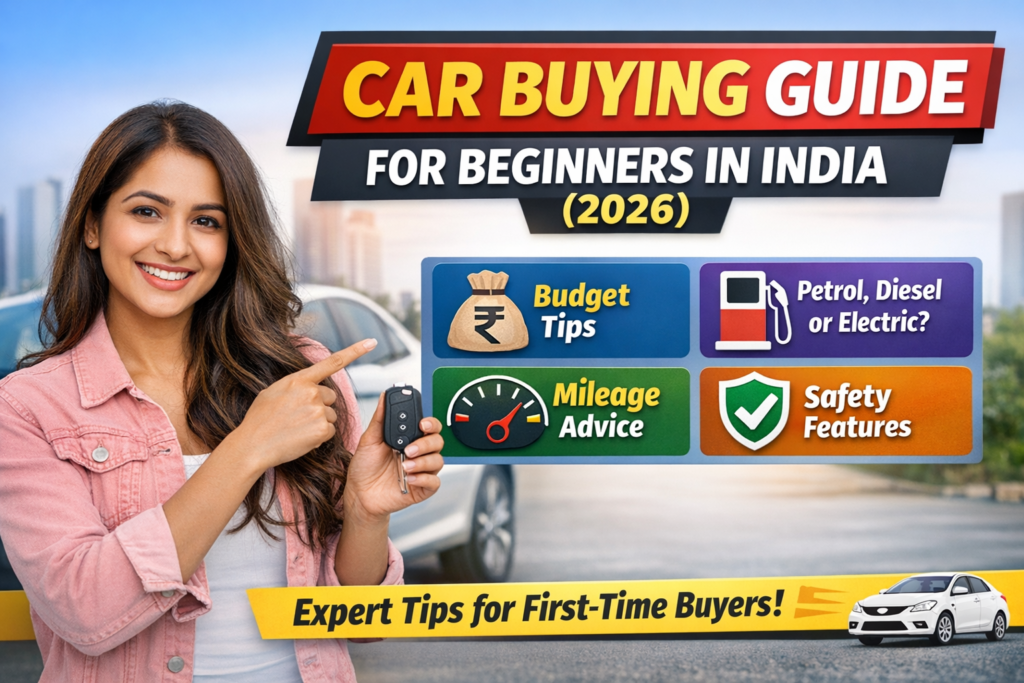
Buying your first car is a big milestone, especially in India where a car is not just a vehicle but also a symbol of comfort and status. However, with so many options available in the market, beginners often get confused about where to start. From budget planning to selecting the right fuel type, every decision plays an important role. If you make the right choices, you can save money and avoid future problems. In this guide, you will learn everything you need to know before buying your first car in 2026.
1. Set Your Budget First
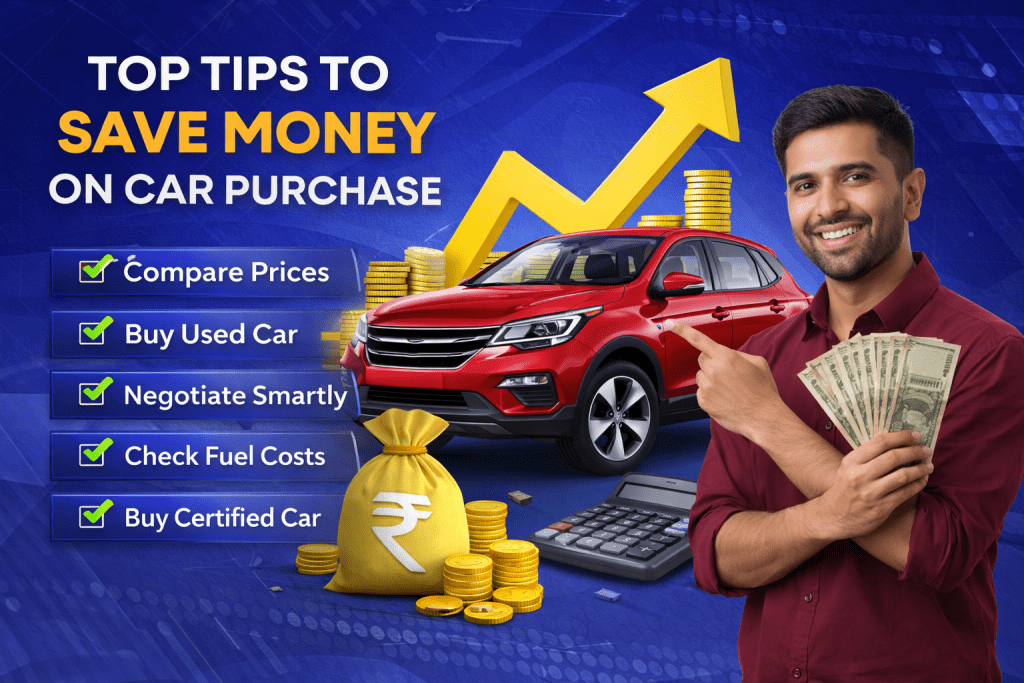
Setting a budget is the most important step before buying a car because it helps you avoid overspending and financial stress. Many beginners focus only on the car price and forget additional costs like insurance, registration, and maintenance. You should always calculate the total on-road price instead of just the showroom price. A smart approach is to choose a car that fits comfortably within your income so that EMIs and expenses remain manageable.
- Car price should not exceed your financial capacity.
- Consider extra costs like insurance, registration, maintenance.
2. Choose the Right Fuel Type
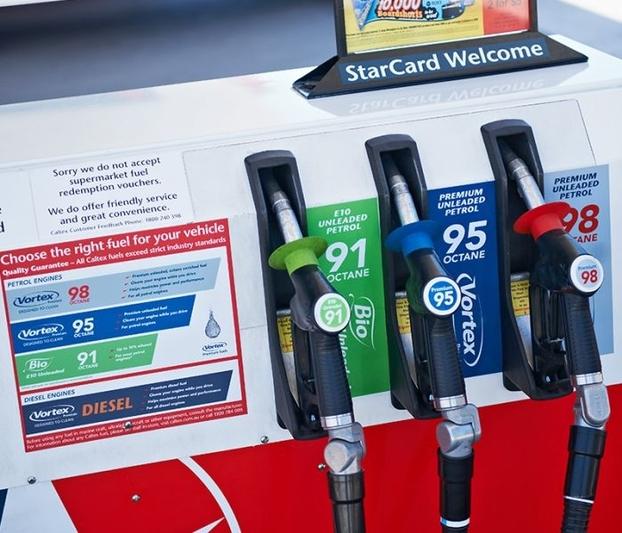
Choosing the right fuel type depends on your daily driving needs and long-term usage. Petrol cars are ideal for city driving because they are affordable and require less maintenance compared to diesel cars. Diesel cars are better for long-distance travel as they provide better mileage and performance on highways. Electric cars are becoming popular due to their low running cost and eco-friendly nature, making them a future-ready option.
🚘 Petrol Cars
- Best for city driving
- Lower initial cost
- Less maintenance
🚙 Diesel Cars
- Better mileage
- Good for long drives
- Higher upfront cost
⚡ Electric Cars (EV)
- Eco-friendly
- Low running cost
- Best for future use
👉 Tip:
- Daily use < 30 km → Petrol
- Daily use > 40 km → Diesel
- Future-focused → Electric
3. Check Mileage (Fuel Efficiency)
Safety should never be compromised while buying a car, no matter what your budget is. Modern cars come with essential safety features like airbags, ABS, and parking sensors that help protect you and your family. You should also check the crash test rating of the car to understand its safety level. Investing in a safe car ensures peace of mind and reduces the risk during accidents.
4. Decide Manual or Automatic
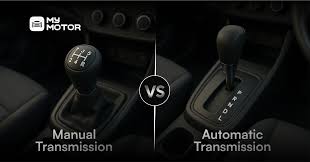
Choosing between manual and automatic transmission depends on your driving comfort and usage. Manual cars are usually cheaper and give better control, making them suitable for experienced drivers. Automatic cars are easier to drive, especially in heavy traffic, and reduce driver fatigue. If you mostly drive in city traffic, an automatic car can make your driving experience much smoother.
🔹 Manual
- Cheaper
- Better control
- Good mileage
🔹 Automatic
- Easy to drive
- Best for traffic
- Slightly expensive
5.Check Maintenance Cost
Maintenance cost is an important factor that many beginners ignore while buying a car. Some cars may look affordable initially but can be expensive to maintain over time. It is important to check the service cost, spare parts availability, and brand service network before making a decision. Choosing a car with low maintenance cost will save you money and ensure a hassle-free ownership experience.
- Check service cost
- Availability of spare parts
- Brand service network
6.Take a Test Drive
A test drive is a must before finalizing any car because it gives you a real feel of the vehicle. You can check comfort, seating position, braking, and overall driving experience during the test drive. It also helps you understand whether the car suits your needs or not. Always try to test the car on different types of roads for better judgment.
Check during test drive:
- Comfort
- Pickup
- Braking
- Visibility
7.Compare Cars Before Buying
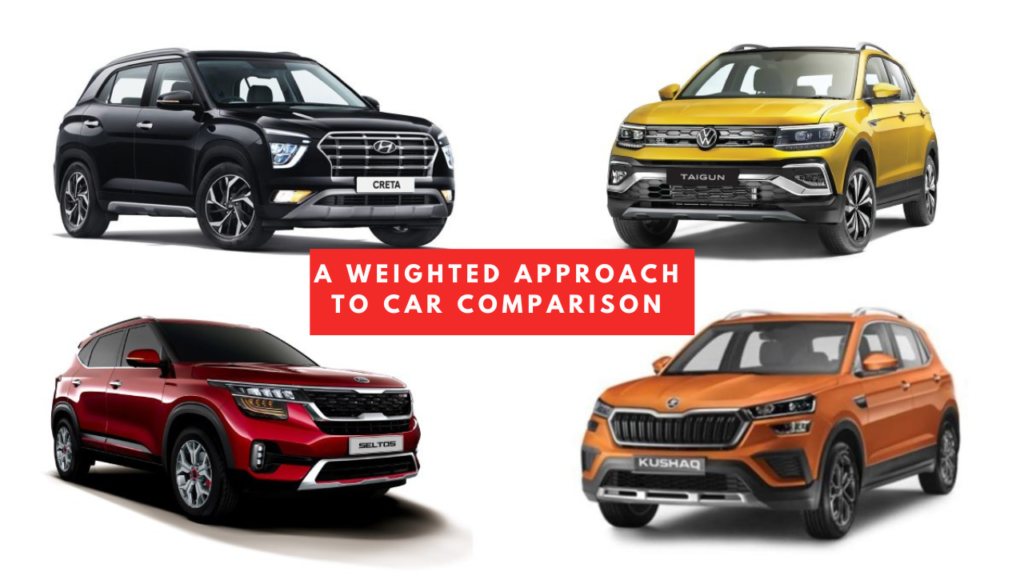
Never make the mistake of choosing a car without comparing other options available in the market. Comparing multiple cars helps you understand the differences in features, pricing, and performance. You should compare at least 2–3 cars within your budget range. This ensures that you get the best value for your money.
Compare based on:
- Price
- Features
- Mileage
- Safety
8.Look for Offers & Discounts
Car companies often provide attractive discounts and offers during festivals and year-end sales. These offers can help you save a significant amount of money on your purchase. You can also negotiate with the dealer for better deals and additional benefits. Always check for available offers before making the final decision.
Car companies provide offers during:
- Festivals
- Year-end sales
👉 You can save ₹20,000 – ₹1 lakh easily

9. Check Insurance & Documents
Before completing your car purchase, make sure to check all documents carefully. Compare different insurance plans to get the best coverage at a reasonable price. Verify the on-road price and ensure there are no hidden charges. Proper documentation helps you avoid legal and financial issues in the future.
Before final purchase:
- Compare insurance plans
- Check on-road price
- Read all documents carefully