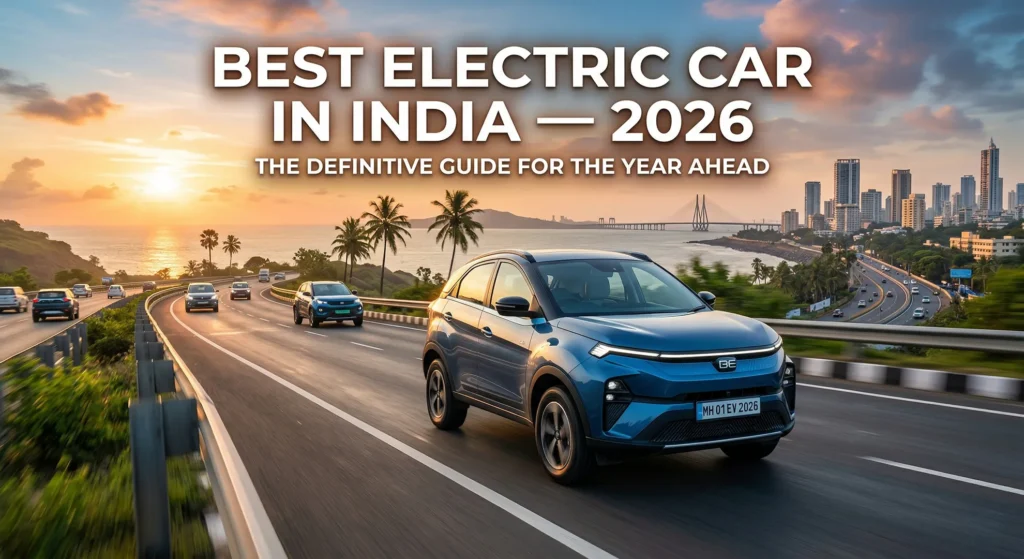
In 2026, the Indian electric vehicle (EV) market has reached a fever pitch. What was once a niche segment is now a mainstream battleground featuring everything from ultra-affordable city commuters to long-range luxury cruisers.
Here is your complete guide to the EV landscape in India for 2026.
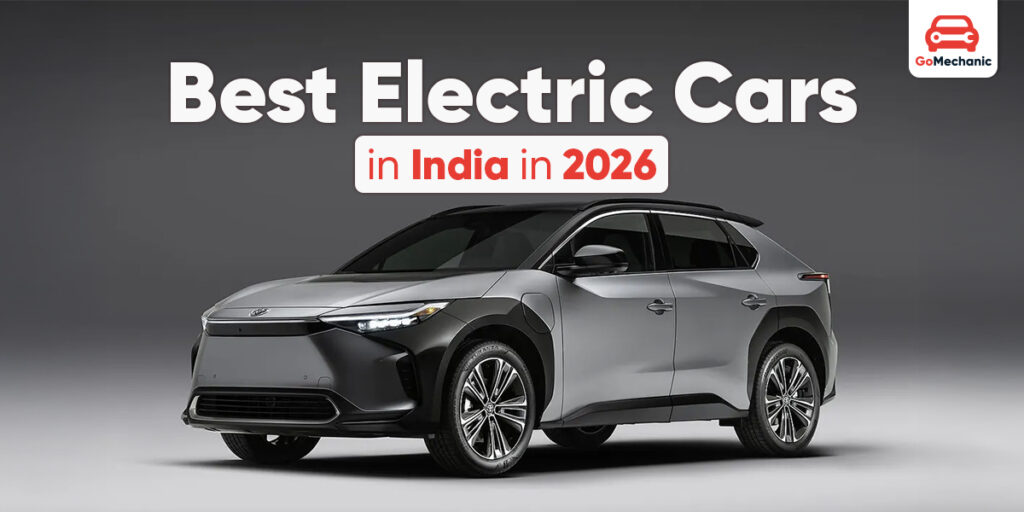
1. Top Electric Cars in India (2026 Price & Range)
The market is now categorized by “Mass Market,” “Mid-Range,” and “Premium” segments.
| Model | Ex-Showroom Price (Est.) | Claimed Range (km) |
| MG Comet EV | ₹7.50 – 9.56 Lakh | 230 km |
| Tata Tiago EV | ₹7.99 – 11.14 Lakh | 250 – 315 km |
| Tata Punch EV | ₹9.69 – 12.59 Lakh | 260 – 350 km |
| Maruti Suzuki e Vitara | ₹15.99 – 20.01 Lakh | 440 – 543 km |
| MG Windsor EV | ₹14.00 – 18.50 Lakh | 332 – 449 km |
| Hyundai Creta Electric | ₹18.02 – 24.70 Lakh | 473 – 510 km |
| Mahindra BE 6 | ₹18.90 – 28.49 Lakh | 557 – 683 km |
| BYD Seal | ₹41.00 – 53.15 Lakh | 510 – 650 km |
| Mercedes-Benz EQS | ₹1.30 – 1.63 Cr | 813 – 857 km |
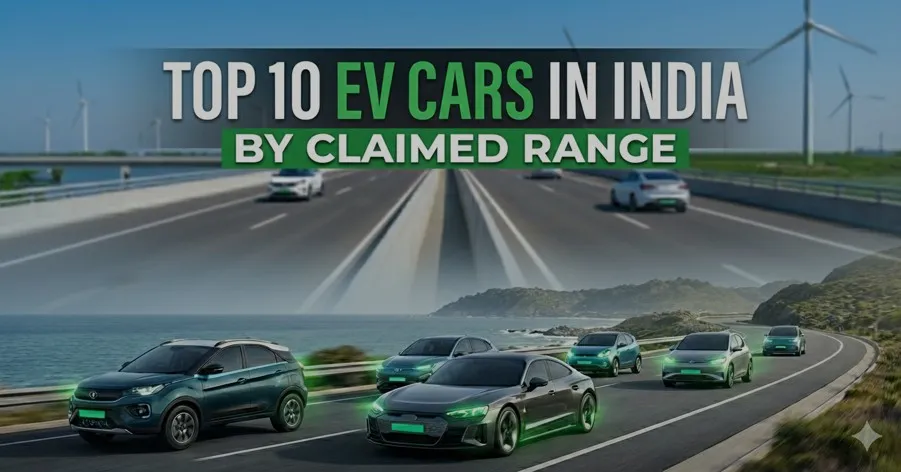
2. Major New Launches in 2026
The year 2026 is a milestone for “born-electric” platforms—cars designed from the ground up as EVs rather than converted petrol cars.
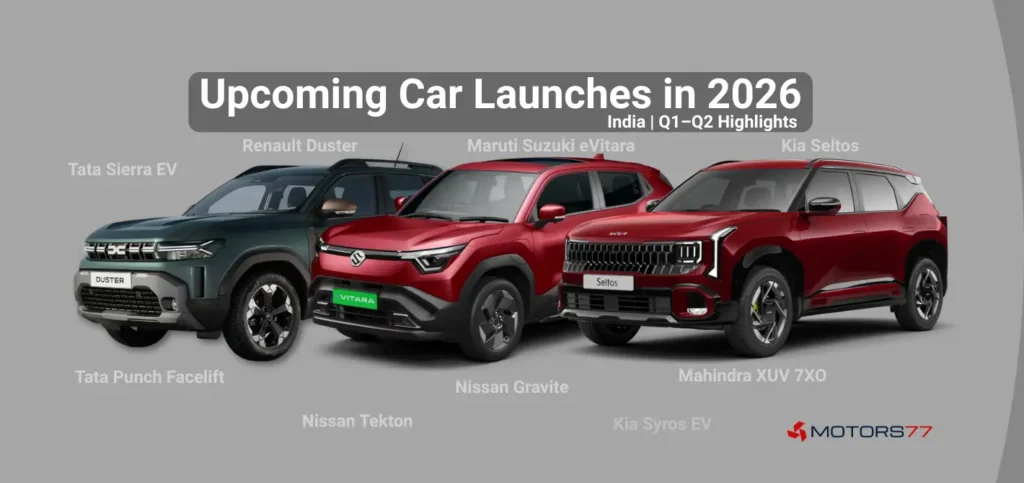
- Tata Sierra EV (Expected May 2026): Rebirth of a legend. It is expected to feature a dual-motor AWD setup and a realistic range of 400–450 km.
- Tata Safari EV (Expected Diwali 2026): India’s first dedicated 7-seater electric SUV, aimed squarely at large families.
- VinFast VF7 & VF6: The Vietnamese giant has officially entered India, offering high-tech alternatives with ranges exceeding 450 km.
- Maruti Suzuki e Vitara: Maruti’s first serious global EV play, promising legendary reliability with a modern electric powertrain.
3. Charging Infrastructure: The Reality Check
As of March 2026, India has over 22,000 operational public charging stations reported by the Ministry of Heavy Industries.
- Growth: Public chargers have seen a five-fold increase since 2022.
- The Gap: While cities like Delhi, Mumbai, and Bengaluru are well-covered, Tier-2 and Tier-3 cities still face “charging anxiety.”
- Home Charging: Remains the most reliable method. Most manufacturers now include a 7.2 kW AC fast charger with the car purchase.
4. Government Subsidies & Benefits
The PM E-DRIVE scheme has replaced older frameworks, focusing on infrastructure and specific vehicle segments.
- Direct Incentives: Primarily available for electric 2-wheelers and 3-wheelers, but some state-level purchase incentives still apply to cars.
- Road Tax & Registration: Many states, like Telangana, offer 100% exemption on road tax and registration fees for EVs through late 2026.
- GST Benefit: EVs continue to enjoy a lower 5% GST rate compared to the 28% (plus cess) on petrol/diesel cars.

5. Pro-Tip for 2026 Buyers
The 80/20 Rule: When looking at “Claimed Range,” always subtract 20–25% to estimate real-world highway range. If a car claims 500 km, expect roughly 380–400 km in actual driving conditions with AC and luggage.
Are you looking for a city runabout like the MG Comet or a long-distance cruiser like the Mahindra BE 6?